Understanding Problems That Affect the Front Surface of the Eye
The cornea is the transparent front layer of the eye that plays a vital role in focusing vision. Because it has no blood supply and relies on surface health, even minor corneal issues can cause significant discomfort or visual disturbance.
At Vision Clinic, Dr. Richa Tripathi frequently evaluates patients who ignore early corneal symptoms—only to find that timely care could have prevented worsening vision or prolonged recovery.
Recognizing common corneal conditions early helps preserve clarity, comfort, and long-term eye health.
Why Corneal Problems Are Often Missed
Corneal conditions are commonly ignored because:
- Symptoms start mildly and feel manageable
- Redness or irritation is blamed on dust or pollution
- Over-the-counter drops provide temporary relief
- Vision changes come and go
- Pain may be absent in early stages
However, corneal diseases can progress quietly and affect vision if left untreated.
Common Corneal Conditions You Should Know
1. Dry Eye–Related Corneal Damage
- Causes irritation, burning, or blurred vision
- Often mistaken for simple dryness
- Can lead to surface damage if untreated
2. Corneal Abrasion
- Scratch or injury to the corneal surface
- Causes pain, tearing, and light sensitivity
- May occur from fingernails, dust, or contact lenses
3. Infectious Keratitis
- Infection of the cornea due to bacteria, viruses, or fungi
- Redness, pain, discharge, and vision reduction
- Requires urgent medical attention
4. Allergic Keratoconjunctivitis
- Severe itching, redness, and watering
- Often seasonal or allergy-related
- Chronic cases can affect corneal clarity
5. Keratoconus
- Progressive thinning and bulging of the cornea
- Causes distorted or blurred vision
- Often detected in young adults
6. Corneal Ulcer
- Open sore on the cornea
- Severe pain, redness, and vision loss
- Can lead to scarring if treatment is delayed
7. Corneal Dystrophies
- Genetic conditions affecting corneal layers
- Gradual vision changes over time
- May not show symptoms initially
8. Post-Infectious Corneal Scarring
- Occurs after untreated infections or injuries
- Causes permanent visual disturbance
- Early care reduces long-term impact
Corneal Condition vs Possible Cause (Quick Reference)
| Corneal Condition | Possible Cause |
|---|---|
| Dry eye damage | Tear film deficiency |
| Corneal abrasion | Trauma or foreign body |
| Infectious keratitis | Bacterial, viral, fungal infection |
| Allergic keratitis | Environmental or seasonal allergies |
| Keratoconus | Corneal thinning disorder |
| Corneal ulcer | Infection or injury |
| Corneal dystrophy | Genetic abnormality |
| Corneal scarring | Delayed or improper treatment |
Why Early Corneal Evaluation Is Important
Ignoring corneal symptoms can result in:
- Permanent corneal scarring
- Reduced or distorted vision
- Increased sensitivity to light
- Longer treatment duration
- Avoidable surgical intervention
At Vision Clinic, early corneal assessment allows targeted, conservative treatment before complications develop.
Expert Insight from Dr. Richa Tripathi
According to Dr. Richa Tripathi, many corneal conditions appear mild at first but can worsen rapidly without proper diagnosis.
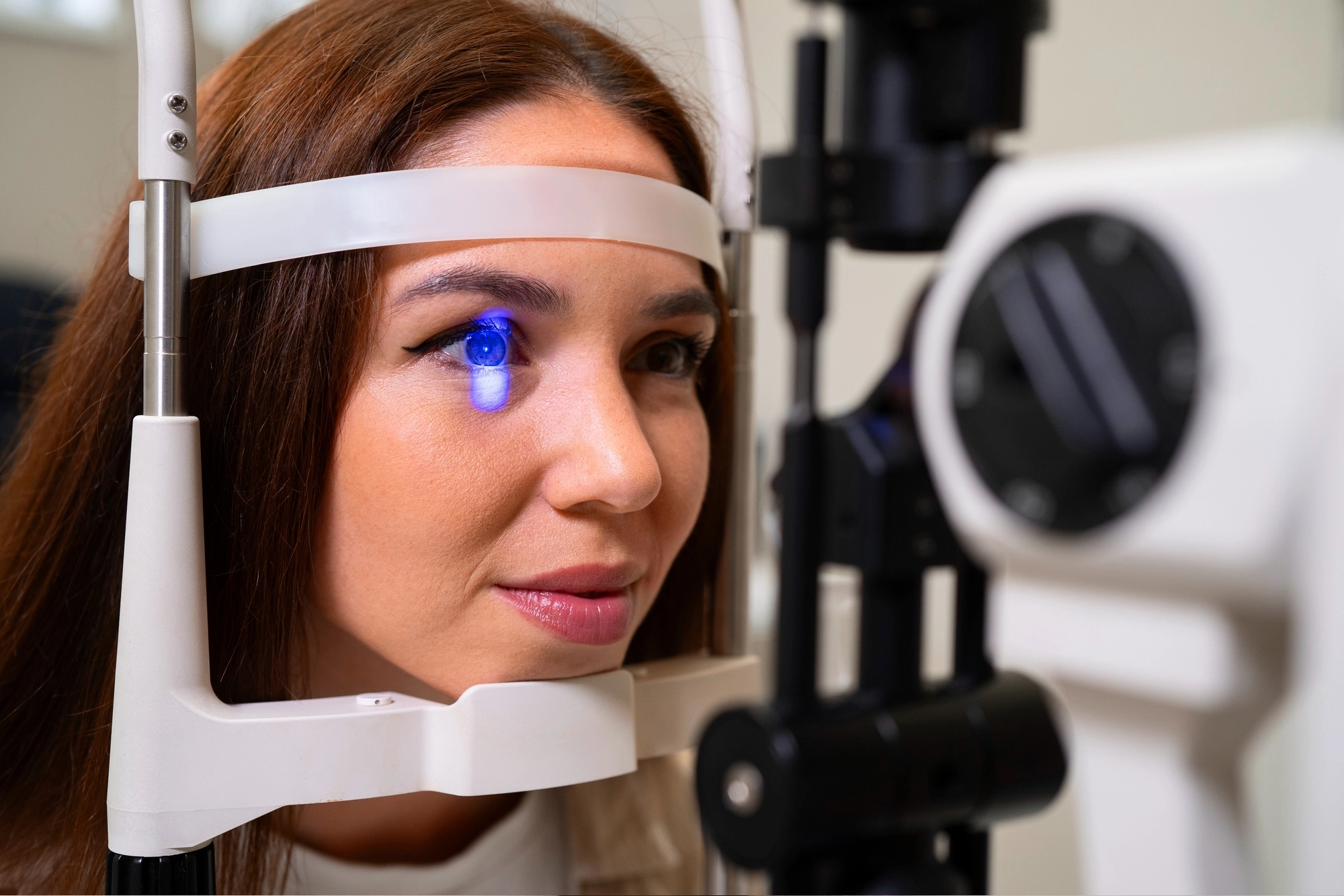
A detailed slit-lamp examination helps identify corneal surface problems before they threaten vision.
Her care approach focuses on:
- Precise corneal evaluation
- Ethical and evidence-based treatment
- Long-term corneal stability
- Patient education and follow-up
When Should You See an Eye Specialist?
You should seek corneal evaluation if:
- Redness or pain persists beyond a day or two
- Vision becomes hazy or distorted
- Light sensitivity increases
- You use contact lenses regularly
- Symptoms keep returning despite eye drops
Protect Your Corneal Health with Timely Care
The cornea is essential for clear vision, yet its problems are often underestimated. At Vision Clinic, patients receive careful evaluation, transparent guidance, and personalized corneal care under the supervision of Dr. Richa Tripathi.
Early attention can make the difference between temporary discomfort and lasting visual impact.
Popular Posts
-
Early Eye Symptoms Patients Often Ignore
23 Dec 2025 -

-